
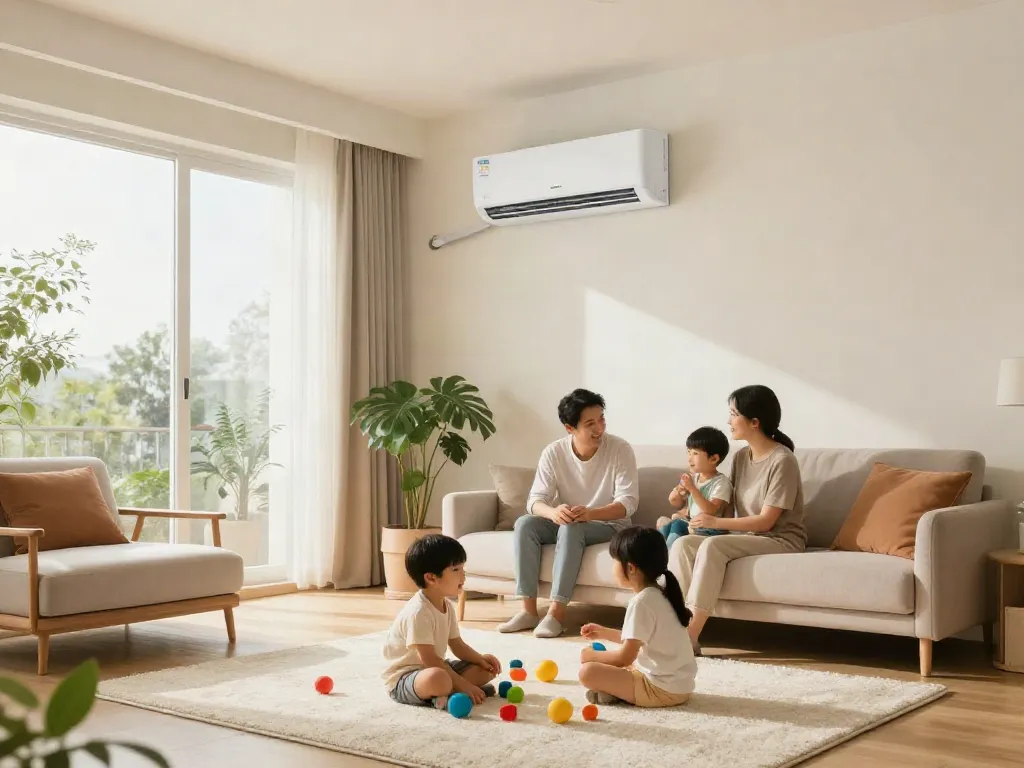
Understanding Mini Split AC Units
Mini split AC units are revolutionizing the way we cool and heat our spaces. Unlike traditional air conditioning systems that rely on ductwork, these compact units provide efficient temperature control directly within individual rooms or zones. This flexibility has made them increasingly popular among homeowners looking for customizable comfort solutions. When exploring options, mini split ac unit systems are designed to meet diverse cooling needs while offering significant energy savings.
What is a Mini Split AC Unit?
A mini split AC unit, also known as a ductless mini-split, is an advanced air conditioning technology that allows for the easy cooling and heating of specific areas in a home. Comprising an indoor and outdoor unit, the system is connected by refrigerant lines, allowing both components to work symbiotically. With various models available, these units cater to small spaces, larger homes, or even multi-zone applications, providing targeted climate control without the need for extensive ductwork.
How Does It Work for Efficient Cooling?
The functionality of a mini split AC unit hinges on its ability to transfer heat rather than generate cool air. In cooling mode, the indoor unit extracts heat from the room and releases it outdoors through the outdoor unit. The reversible nature of these systems also enables heating, making them a versatile option for year-round climate control. This method of operation not only results in more efficient energy use but also leads to lower operating costs compared to traditional heating and cooling systems.
Key Components of Mini Split Systems
- Indoor Unit: This component is installed inside the home and is responsible for distributing cool air. It contains an evaporator coil and a fan.
- Outdoor Unit: Located outside the home, this unit houses the compressor that pumps refrigerant to and from the indoor unit.
- Refrigerant Lines: These insulated lines carry refrigerant between the indoor and outdoor units, facilitating heat exchange.
- Remote Control or Thermostat: Most mini split systems come with a remote or smart control option, allowing users to adjust temperatures from anywhere within range.
Benefits of Mini Split AC Units
Energy Efficiency and Cost Savings
One of the standout features of mini split AC units is their energy efficiency. They utilize inverter technology which adjusts the compressor speed to maintain the desired temperature, minimizing energy consumption. Homeowners can expect savings on utility bills, especially when compared to traditional central air conditioning systems. Additionally, their zoned cooling capabilities allow for further savings by conditioning only the occupied spaces, instead of the entire house.
Flexible Installation Options
Mini split systems are not only efficient but also flexible in design and installation. They can be mounted on walls, ceilings, or even installed as floor-standing units. The absence of ductwork makes them ideal for homes where installing conventional HVAC systems would be invasive or costly. With a simple installation process and the ability to connect multiple indoor units to one outdoor unit, it’s easy to see why these systems are a preferred choice for many renovations and new builds.
Enhanced Comfort Control for Homeowners
Mini splits offer unparalleled temperature precision. Homeowners can tailor the cooling or heating in different rooms according to their preferences, resulting in customized comfort that a central air system cannot provide. Advanced features like Wi-Fi connectivity and smart home integration further empower users to manage climate settings from their smartphones, enhancing convenience and control over home environments.
Common Challenges with Mini Split Systems
Installation Challenges and Misconceptions
Despite their many benefits, there are some common misconceptions regarding mini split installations. Many homeowners assume they require extensive renovations due to the outdoor unit placement. However, these systems are designed for easier installation, requiring only a small hole for the refrigerant lines. That said, professional installation is often recommended to ensure optimal performance and longevity.
Maintenance Requirements for Longevity
Maintaining a mini split AC unit is crucial for its efficiency and lifespan. Regular cleaning of the filters, checking for refrigerant leaks, and scheduling annual professional maintenance can significantly enhance performance. Homeowners should also be aware that neglecting maintenance can lead to higher energy bills and reduced system effectiveness.
Potential Noise Levels and Solutions
Some users may find that mini split AC units are quieter than traditional systems; however, noise levels can vary by model and installation. Outdoor units may produce noticeable sounds, particularly when the compressor kicks in. To mitigate this, choosing models known for their quiet operation and strategically locating the outdoor unit can help minimize disturbances.
Choosing the Right Mini Split AC Unit
Factors to Consider: Size, Capacity, and Features
When selecting a mini split AC unit, several factors must be considered for optimal performance. The size and capacity of the unit must match the specific cooling requirements of the space. This is typically measured in BTUs (British Thermal Units), with recommendations available based on room size. Additionally, features such as energy ratings, heating capabilities, and advanced controls should be evaluated to suit individual preferences.
Popular Brands and Models for 2026
As the mini split market continues to evolve, several brands are gaining traction for their innovation and reliability. Some popular models in 2026 include Mitsubishi Electric’s M-Series, Daikin’s 19 Series, and Fujitsu’s Halcyon line, all of which offer efficient heating and cooling options along with advanced features. Homeowners should research product reviews and warranties to ensure they select a reputable model that meets their needs.
Expert Tips for Selecting the Best System
- Consult a Professional: Always seek professional advice to assess your cooling needs accurately.
- Evaluate Energy Efficiency: Look for units with high SEER ratings for better energy savings.
- Consider Features: Smart technology, air purifiers, and quiet operation modes add value to your investment.
- Read User Reviews: Customer feedback can provide insights into real-world performance and satisfaction.
Future Trends in Mini Split Technology
Emerging Innovations in Energy Efficiency
As environmental concerns rise, manufacturers are focusing on creating even more energy-efficient mini split systems. Innovations in variable refrigerant flow (VRF) technology and eco-friendly refrigerants are paving the way for greener options. These advancements not only benefit the environment but also translate to lower energy costs for consumers.
Smart Technology Integration for Home Automation
Smart home integration is becoming increasingly prevalent in mini split systems. Many models now offer app-based controls, voice-command capabilities through smart assistants, and integration with home automation systems. This trend enhances user convenience, allowing for seamless control of temperature settings from anywhere, thus improving overall energy management.
Predictions for the Future of Cooling Systems
Looking ahead, the mini split AC market is expected to grow, driven by technological advancements and increasing consumer demand for efficient home climate control. We can anticipate improvements in system connectivity, more eco-friendly refrigerants, and enhanced adaptable features, making mini splits an integral part of modern HVAC solutions.
What are the disadvantages of a mini split?
While mini splits offer many advantages, potential downsides include higher initial investment costs compared to conventional systems and potential challenges with aesthetic placement of indoor units. Additionally, some users may experience noise from the outdoor unit, particularly in quieter neighborhoods.
Are mini-split AC units worth it?
Given their energy efficiency, flexibility, and advanced features, mini-split AC units are generally considered worth the investment, especially for homeowners seeking personalized temperature control and lower utility bills. In the long term, these systems typically yield significant savings.
How much does it typically cost to install a mini split?
The installation cost of a mini split system can vary widely based on factors such as the number of zones being cooled, the brand and model of the unit, and local labor rates. Generally, homeowners can expect to pay between $3,000 to $5,000 for complete installation, including the units and necessary materials. However, this investment can lead to substantial energy savings over time.