
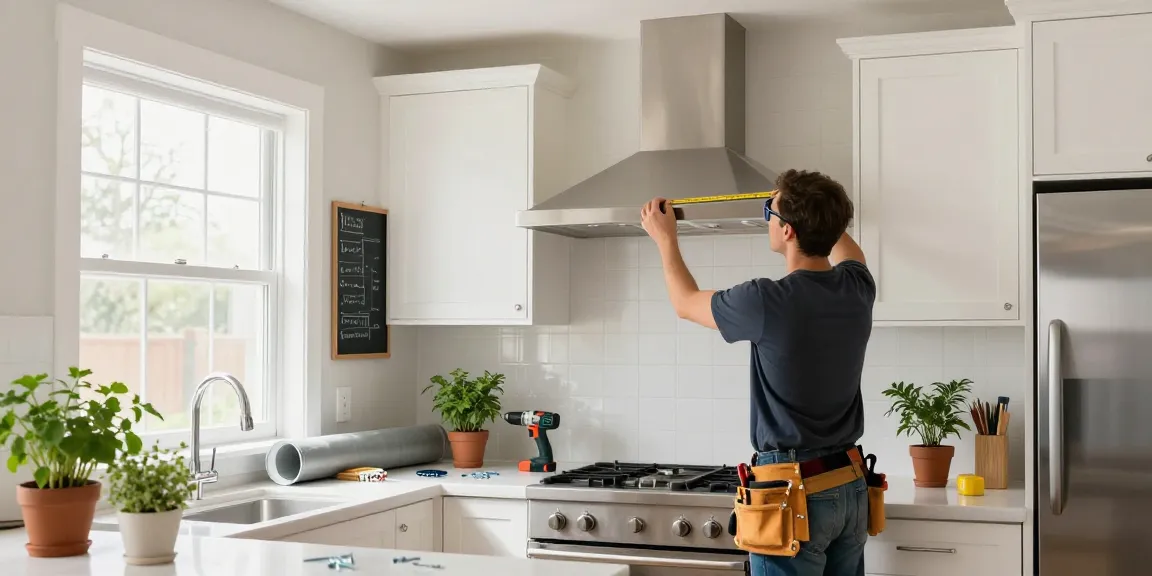
Understanding Exhaust Hood Installation
Installing an exhaust hood is a vital step in enhancing kitchen functionality and maintaining a safe cooking environment. As kitchens evolve into the heart of the home, the importance of proper ventilation cannot be overstated. An exhaust hood effectively removes smoke, odors, and excess moisture from your cooking space, contributing to improved air quality and comfort. In this guide, we will explore every aspect of exhaust hood installation, from understanding what an exhaust hood is to innovative technologies shaping the future of kitchen ventilation.
What is an Exhaust Hood and Its Purpose?
An exhaust hood, sometimes referred to as a range hood, is a kitchen appliance designed to ventilate indoor cooking areas. It functions by removing airborne grease, smoke, heat, and moisture produced while cooking. The primary purposes include:
- Improving Air Quality: By removing pollutants from the air, exhaust hoods contribute to a healthier kitchen environment.
- Preventing Damage: They help prevent grease buildup on surfaces, which can lead to more tedious cleaning and potential fire hazards.
- Allergy and Asthma Relief: Effective ventilation can help reduce allergens and irritants, improving conditions for sensitive individuals.
Types of Exhaust Hoods for Home Use
Choosing the right exhaust hood is essential for effective kitchen ventilation. There are several types of exhaust hoods, each suited for different kitchen layouts and cooking styles:
- Wall-Mounted Hoods: These are installed directly against the wall and are ideal for traditional kitchens with wall ranges.
- Island Hoods: Perfect for kitchen islands, these hoods hang from the ceiling and require proper ductwork to ensure efficient ventilation.
- Under-Cabinet Hoods: These are mounted underneath cabinets and work well in smaller kitchens where space is limited.
- Downdraft Hoods: These retractable hoods pop up from behind the cooktop when needed, offering a sleek option for modern kitchens.
Benefits of Proper Exhaust Hood Installation
Proper installation of an exhaust hood ensures optimal performance, significantly enhancing your cooking experience. Some of the key benefits include:
- Enhanced Efficiency: A correctly installed hood maximizes airflow and ventilation, efficiently removing smoke and odors.
- Energy Savings: Efficient operation can lower energy bills by reducing the need for additional air conditioning or heating.
- Increased Home Value: A well-ventilated kitchen can be a selling point for potential buyers, highlighting the home’s quality.
Preparing for Exhaust Hood Installation
Before diving into the installation process, it’s crucial to prepare adequately. This phase involves assessing your kitchen layout and gathering necessary tools and equipment.
Key Considerations Before Starting Your Project
Take into account the following factors:
- Kitchen Layout: Understand the layout of your kitchen, including the position of the stove, cabinets, and available overhead space.
- Ductwork Needs: Determine whether you will need to install new ductwork or if you can use existing ducts.
- Electrical Requirements: Assess the electrical needs for the hood, especially for models with lights and fans that require dedicated circuits.
Required Tools and Equipment for Installation
To ensure a smooth installation, gather the following tools:
- Power drill
- Screwdriver
- Measuring tape
- Wire cutters/strippers
- Level
- Duct tape
- Safety goggles
- Gloves
Common Pitfalls to Avoid in Exhaust Hood Installation
To avoid complications during installation, keep these pitfalls in mind:
- Neglecting to check local building codes regarding venting.
- Installing a hood that is too small for your cooking range.
- Failing to consider noise levels from the exhaust fan.
The Installation Process: Step-by-Step Guide
With the preparation complete, it’s time to move forward with the installation. Follow these steps for a successful setup:
Measuring and Planning the Installation Area
Begin by measuring the area where the exhaust hood will be installed. Precise measurements are critical for ensuring a secure and level installation. Once the measurements are established, mark the position for mounting brackets and ductwork.
Electrical and Ventilation Considerations
Next, ensure all electrical requirements are met. This may involve hiring a qualified electrician if you’re not experienced in electrical work. Once the electrical setup is complete, focus on the ducting aspect. Depending on your chosen type of hood, you will need to run ductwork either through the walls or the ceiling for proper ventilation.
Finalizing the Installation: Finishing Touches
After securing the hood in place, double-check that all connections, including electrical and duct connections, are secure. Test the hood to ensure it operates smoothly and adjusts as necessary.
Maintenance and Troubleshooting for Exhaust Hoods
Once your exhaust hood is in place, regular maintenance is vital to ensure its efficiency and longevity.
Regular Maintenance Tips for Peak Performance
- Clean Filters Regularly: Remove and clean metal filters at least once a month or more frequently if you cook often.
- Check for Obstructions: Ensure the ductwork is clear of blockages to maintain airflow.
- Inspect Electrical Components: Regularly check for wear and tear on the wiring and fans.
Common Issues and Their Solutions
Even with proper maintenance, you may encounter issues. Here are a few common problems:
- Weak Airflow: Check for blockages in the ductwork or clean the filters.
- Noisy Operation: Ensure screws are tight and inspect for any loose parts.
- Lights Not Functioning: Check the bulbs and electrical connections.
When to Call a Professional for Repairs
If you encounter issues beyond basic maintenance, such as persistent electrical problems or complex ducting issues, it’s advisable to consult a professional. Their expertise can save time and ensure your system operates efficiently.
The Future of Exhaust Hood Technology
As kitchen technology evolves, so do exhaust hoods. The next few years will see significant advancements that will benefit homeowners.
Innovations in Exhaust Hood Design and Functionality by 2026
Expect quieter, more efficient models that utilize advanced filtration systems and energy-saving technologies. Look for hoods that integrate seamlessly into kitchen design, offering not just functionality but also aesthetic appeal.
Trends in Smart Kitchen Technology
Smart exhaust hoods will likely become integrated with home automation systems, allowing for voice-activated controls and real-time monitoring of air quality. These innovations will enhance user convenience and energy efficiency.
Environmental Considerations in Modern Exhaust Hood Design
There is a growing emphasis on sustainability within the kitchen appliance industry. Future exhaust hoods will focus on energy efficiency and recyclable materials, reducing their environmental footprint while ensuring effective performance.